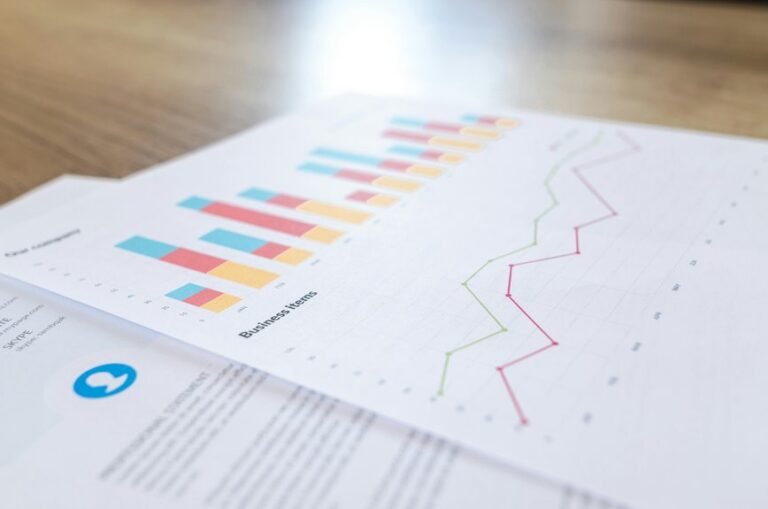
Operational Efficiency Tracker for 24915555, 27310, 658083581, 7202598266, 514964200, 914689194
The operational efficiency tracker for the specified IDs provides a structured approach to measuring productivity within organizations. It focuses on performance metrics that reveal strengths and weaknesses in current operations. By employing this tool, teams can pinpoint inefficiencies and optimize resource allocation. However, understanding how to effectively analyze these metrics and implement actionable strategies for improvement remains crucial. What specific steps can organizations take to maximize the benefits of this tracker?
Understanding Operational Efficiency Trackers
Operational efficiency trackers serve as crucial tools for organizations aiming to enhance productivity and minimize waste.
By leveraging operational analytics, these trackers provide insights into performance metrics, enabling the establishment of efficiency benchmarks.
This data-driven approach allows businesses to identify areas for improvement, streamline processes, and allocate resources more effectively, ultimately fostering an environment where operational freedom and enhanced performance can thrive.
Key Benefits of Implementing Trackers
Implementing operational efficiency trackers can yield numerous benefits for organizations seeking to optimize their processes.
These tools facilitate cost reduction and process optimization through real-time monitoring, enhancing data accuracy. Improved performance visibility fosters better decision-making and resource allocation, while simultaneously boosting employee engagement by involving staff in efficiency initiatives.
Ultimately, these trackers empower organizations to achieve higher operational effectiveness and drive sustainable growth.
Analyzing Performance Metrics
While organizations invest in operational efficiency trackers, the true value lies in their ability to analyze performance metrics effectively.
Performance analysis facilitates a deeper understanding of operational strengths and weaknesses, while metric evaluation ensures that data-driven decisions align with strategic goals.
This analytical approach empowers organizations to harness insights, optimize processes, and ultimately enhance their operational freedom and effectiveness in a competitive landscape.
Strategies for Improvement and Growth
Identifying effective strategies for improvement and growth is crucial for organizations seeking to enhance their operational efficiency.
Implementing process optimization techniques fosters streamlined workflows, reducing waste and increasing productivity.
Additionally, adopting innovative growth strategies, such as diversifying product offerings or entering new markets, can create new revenue streams.
Together, these approaches empower organizations to achieve sustainable success and maintain competitive advantages in their respective industries.
Conclusion
In conclusion, the Operational Efficiency Tracker for IDs 24915555, 27310, 658083581, 7202598266, 514964200, and 914689194 exemplifies the power of data-driven decision-making. Organizations that effectively utilize such trackers can improve productivity by up to 30%, a statistic that underscores the potential for significant growth and resource optimization. By continuously assessing performance metrics, teams can foster an environment of ongoing improvement, ultimately leading to sustainable business success and enhanced operational capabilities.