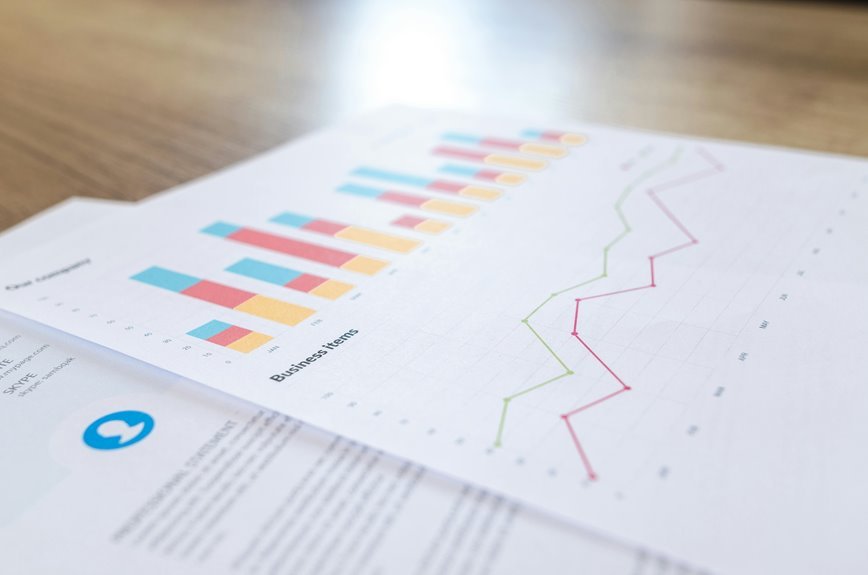
Business Trends Overview on 976713000, 285034691, 617255700, 946407716, 609471757, 628221211
The current business landscape is shaped by several key trends that reflect broader societal shifts. Sustainability practices are gaining traction, while remote work continues to redefine operational frameworks. Technological advancements, particularly in AI, are transforming industries at an unprecedented pace. As consumer behaviors evolve towards eco-friendliness and health consciousness, companies must adapt. Understanding these dynamics is crucial for strategic development. What implications do these trends hold for future business frameworks?
Key Insights From Emerging Business Trends
As businesses navigate an increasingly complex landscape, key insights from emerging trends reveal critical shifts shaping the marketplace.
Notably, sustainability practices have gained prominence, compelling organizations to adopt eco-friendly operations.
Concurrently, the rise of a remote workforce presents both opportunities and challenges, fostering flexibility while necessitating strategic management approaches.
These trends underscore the evolving demands for responsible business conduct and adaptive workforce strategies.
Impact of Technological Advancements on Industries
The influence of technological advancements on industries is profound, reshaping operations and competitive dynamics across various sectors.
AI integration and automation impact enhance efficiency, while digital transformation drives innovation.
However, organizations face cybersecurity challenges that threaten data integrity.
Remote collaboration tools and data analytics empower businesses to adapt, ensuring resilience and responsiveness in an ever-evolving marketplace that values agility and strategic foresight.
Shifts in Consumer Behavior and Expectations
A significant transformation in consumer behavior and expectations has emerged, driven by technological advancements and changing societal norms.
Online shopping has surged, prompting personalized marketing strategies. Consumers increasingly prioritize sustainability concerns and exhibit heightened health consciousness.
Furthermore, digital engagement has become essential, as shoppers seek value through informed choices. This shift underscores the need for businesses to adapt to evolving consumer preferences and demands.
Strategic Implications for Future Business Development
Adapting to the evolving landscape of consumer behavior necessitates a strategic reevaluation of business development approaches.
Future business strategies must prioritize agile market positioning, embracing flexibility to respond to shifting demands.
Companies that integrate data-driven insights and consumer feedback into their frameworks will enhance their competitive edge, fostering innovation while ensuring alignment with consumer expectations.
Ultimately, this approach will shape sustainable growth in an unpredictable marketplace.
Conclusion
In navigating the turbulent waters of today’s business landscape, companies must act as agile ships, adeptly adjusting their sails to harness the winds of change. The convergence of sustainability, technological innovation, and evolving consumer expectations shapes a new competitive horizon. Businesses that embrace these emerging trends and integrate data-driven strategies will not only survive but thrive. As the tide of market dynamics shifts, staying resilient and responsive will be crucial for long-term success and growth.