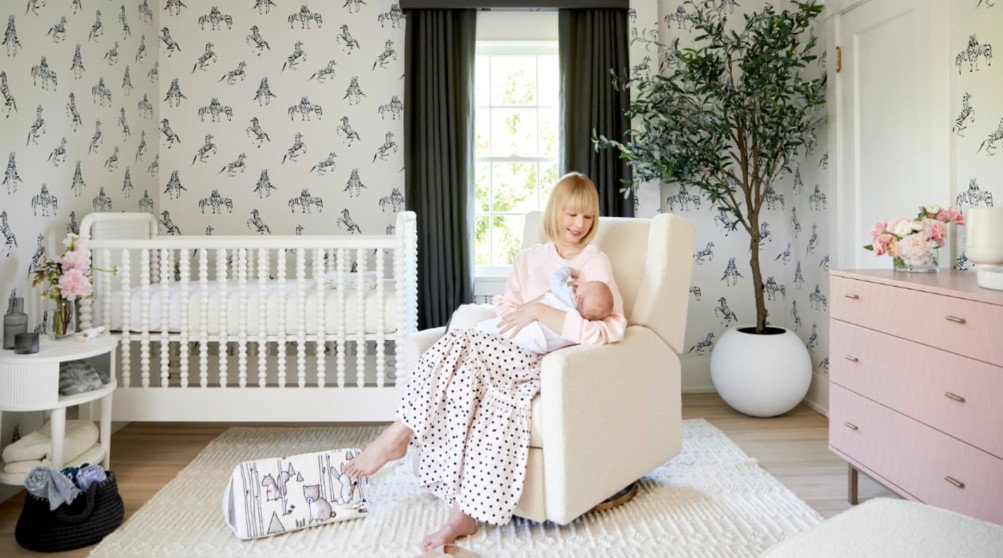
Smart, Stylish, Stress-Free Planning: The Best Online Tools for Designing a New Baby’s Bedroom
Designing a baby’s bedroom is one of the most exciting parts of preparing for a new arrival, yet it often becomes overwhelming once parents realize how many decisions must be made. From color palettes to furniture placement to safety considerations, every choice feels important—and time-consuming. Online tools now make this process easier by helping parents visualize layouts, test décor ideas, and explore safe, well-organized room designs before buying anything. With the right digital resources, parents can build a calm, functional nursery that grows with their child while reducing guesswork and costly mistakes.
Mood-Board & Inspiration Tools That Spark Creative Direction
Parents often struggle to choose a theme or color palette when designing a baby’s room, and inspiration tools solve that by providing thousands of visuals in one place. These platforms help parents refine what they like—soft neutrals, modern minimalism, woodland themes, or bright storybook colors. They also allow you to save and group images so you can spot patterns in your taste quickly. Many inspiration tools offer built-in search filters such as “gender-neutral nursery” or “boho baby décor,” helping parents narrow down ideas fast. Using these resources prevents design inconsistencies and helps the final room feel cohesive. Building a mood board is often the first concrete step toward a personalized, meaningful nursery design.
Recommended Tools & Tips:
- Pinterest – Great for collecting theme ideas and décor color palettes.
- Houzz – Helpful for browsing professionally designed nurseries.
- Etsy – Useful for curated décor inspiration with handmade vibes.
- Create multiple boards: one for colors, one for furniture styles, one for wall art.
- Look for recurring motifs across boards to identify your emerging theme.
- Save ideas that match your space dimensions—not just what looks pretty.
Room-Layout Tools for Smart Furniture Placement
Room-layout tools eliminate the guesswork of arranging cribs, gliders, changing tables, and storage. These platforms let parents input actual dimensions so they can experiment without dragging heavy furniture across the room. Safety spacing—such as keeping the crib away from windows or avoiding top-heavy décor—is easier to visualize digitally. Many tools also simulate walking paths, helping parents plan efficient movement for late-night feedings or diaper changes. Seeing a 2D or 3D layout also helps in budgeting because you can confirm what will fit before purchasing. Layout tools reduce stress dramatically by turning spatial uncertainty into confident, well-designed plans.
Recommended Tools & Tips:
- Roomstyler – Lets you build accurate 3D nursery layouts.
- Planner 5D – Ideal for testing furniture arrangements with drag-and-drop simplicity.
- Homestyler – Great for realistic visualizations with customizable angles.
- Outline the “silent zones” where you want minimal noise (feeding or nap areas).
- Map electrical outlets early to avoid cord hazards.
- Use contrasting wall colors in your digital layout to evaluate how the space feels.
Shopping & Registry Tools That Simplify Décor Decisions
Shopping tools help parents avoid overwhelming choices by curating baby-safe furniture and décor that match their selected theme. Many allow filtering by materials, style preferences, price, or eco-friendly certifications. Parents can assemble virtual lists or registries, ensuring purchases stay consistent with their design plan. Some platforms also include ratings or safety notes, which are invaluable for first-time parents. Using these tools ensures your nursery isn’t just attractive but functional and safe. They also help prevent impulse buys that can clutter a small room.
Recommended Tools & Tips:
- Babylist – Centralizes items from any store into one registry.
- Pottery Barn Kids – Offers quality, durable nursery furniture with visual previews.
- Target Registry – Easy to share and filled with budget-friendly options.
- Add at least one storage piece for items you don’t need immediately.
- Compare product dimensions online to avoid furniture scale issues.
- Bookmark “must-have later” items to stagger spending.
See also: AI in Genomics: Accelerating Discoveries in Life Sciences
Color-Palette Tools for Creating a Calm, Stylish Nursery
Color-palette generators make it easy to choose calming tones and coordinated accents that suit your baby’s room. They help parents test how soft pastels, neutrals, or contrasting colors will interact with natural light. This is especially helpful in smaller rooms or shared spaces where choosing the wrong shade can make the room feel cramped. Some tools even suggest complementary shades for bedding, rugs, or pillows. Using color tools prevents mismatched décor and ensures you can confidently build a cohesive look. These platforms help parents create a room that feels fresh now but adaptable as the baby grows.
Recommended Tools & Tips:
- Coolors – Quickly generates balanced color palettes.
- Benjamin Moore Color Viewer – Helps you preview paint on digital walls.
- Sherwin-Williams ColorSnap – Useful for testing real-world lighting conditions.
- Try a two-color base and one “accent” shade for long-term adaptability.
- Test how the palette looks at night using warm lighting.
- Avoid overly saturated tones that overstimulate newborns.
FAQ — Design Questions New Parents Commonly Ask
Designing a baby’s room goes far beyond choosing furniture; new parents often look for ways to create a space that feels calming, stylish, functional, and safe. The questions below address common décor concerns parents have as they try to make confident decisions. These insights help ensure every decorative choice enhances both comfort and long-term usability as your baby grows.
1. How can I choose décor that will grow with my baby?
Select foundational items—like rugs, shelving, and wall art—in neutral or timeless styles so they remain relevant as your child gets older. You can layer in age-specific touches, such as toys or themed prints, which are easy to swap out later. Many parents also use versatile color palettes like sage, cream, or dusty blue because they transition smoothly from infant stages to toddler years. Companies like Pottery Barn Kids and Crate & Kids offer décor lines designed with longevity in mind.
2. How do I design a custom pillow that fits my nursery’s theme?
Custom pillows are a simple way to tie your baby’s décor together without overwhelming the room. Tools like Adobe Express allow you to create a custom pillow easily, including choosing colors, patterns, and text that match your nursery style. Keep personalization subtle—such as initials or soft geometric shapes—to avoid visual clutter. Use fabrics that are breathable and washable, like cotton or bamboo blends.
3. What’s the best way to incorporate wall décor without making the room feel too busy?
Aim for a balanced approach by mixing one statement wall element with smaller, softer accents throughout the room. For example, combine a single mural or large framed print with neutral shelves holding a few curated items. Companies like Minted and Society6 offer minimalist nursery art that creates interest without overstimulation. Always hang décor securely and out of reach of the crib for safety.
4. How can I use lighting to improve the look and feel of a baby’s bedroom?
Layered lighting is key to creating a relaxing nursery environment. Start with a soft overhead light, then add a dimmable lamp or nightlight for late-night feedings. Warm bulbs (2700K–3000K) help maintain a calming atmosphere, while avoiding harsh white light that can overstimulate babies. Brands like Hatch and Philips Hue offer customizable options that let you adjust intensity and tone as needed.
5. What décor items help make small nurseries feel more spacious?
Choose multipurpose décor that also reduces clutter, such as wall-mounted bookshelves or under-crib storage baskets. Light-colored curtains and rugs help brighten tight rooms, while mirrors can visually expand the space. Opt for vertical storage—like tall shelving units—to maximize wall height. Keep surfaces minimal so the room feels breathable and open.
Designing a new baby’s bedroom becomes significantly easier when parents use digital tools that simplify inspiration, layout, shopping, and décor decisions. By blending creativity with smart planning platforms, they can build a space that feels warm, functional, and reflective of their growing family’s style. The ultimate goal is to create a nurturing environment that supports comfort, safety, and joy—transforming a blank room into a meaningful sanctuary for the newest member of the household.